Is It Really Cheaper to Buy in Latin America?
Yes, in many Latin American countries, houses look cheaper compared to U.S. prices. But that “savings” often comes with big risks that most people don’t talk about. Let’s break it down:
1. Unstable Value
In the U.S., home values historically tend to appreciate over the long run, even with market downturns. In Latin America, property values can stagnate, drop, or fluctuate depending on political and economic conditions.
In extreme cases, some countries have even gone through expropriations or sudden law changes that directly impact property ownership (for example, Venezuela).
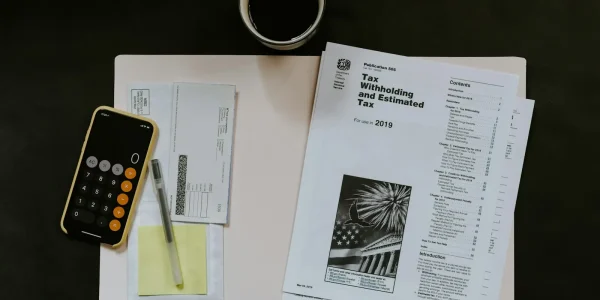
2. Tax Advantages in the U.S.
Owning property in the U.S. isn’t just about shelter—it’s also a tax-advantaged investment.
-
You can deduct mortgage interest, property taxes, depreciation, repairs, insurance, and more.
-
In most Latin American countries, maintenance and renovations are just expenses that come out of your pocket.
In other words, in the U.S., every improvement to your home can mean paying less in taxes. In Latin America, it just costs you more.
3. Property Management Challenges
If you live in the U.S., managing a house from afar in Mexico, Peru, or Venezuela is a real headache:
-
Repairs you can’t oversee.
-
Tenants who don’t pay, with slower legal processes.
-
Fraud risks in property transfers or rentals.
In the U.S., you can rely on licensed property managers, clearer contracts, and a more predictable legal system.
Think of it like trying to drive your car with a remote control from thousands of miles away: you’ll never really know if it braked, if it’s out of gas, or if someone else is using it.
4. Market Transparency
In the U.S., you have clear, accessible data:
-
Zillow, Realtor, Redfin, MLS listings, certified appraisals.
In many Latin American countries, it often comes down to whatever the seller says the property is worth.
Would you really risk tens of thousands of your savings based only on a seller’s word?
5. Financing & Opportunities
In the U.S., you can get 15- to 30-year mortgages with historically low rates (FHA programs once started as low as 3.5%; today most mortgages range between 6–7%).
In Latin America, mortgage rates are typically 8%–12% or higher, with shorter terms—meaning you’ll pay far more in interest.
Plus:
-
A U.S. property can serve as collateral for bigger loans and reinvestments.
-
A property in Latin America rarely has that kind of financial leverage.
Conclusion: Where Does It Make More Sense?
Buying in Latin America can be emotionally appealing, owning something in your home country, being closer to your roots. But when you look at it strictly as an investment, the U.S. is usually the safer and more profitable choice in the long run.
What about you, would you invest in a house in your country of origin, or do you prefer to build your wealth in the U.S.?